
Overview
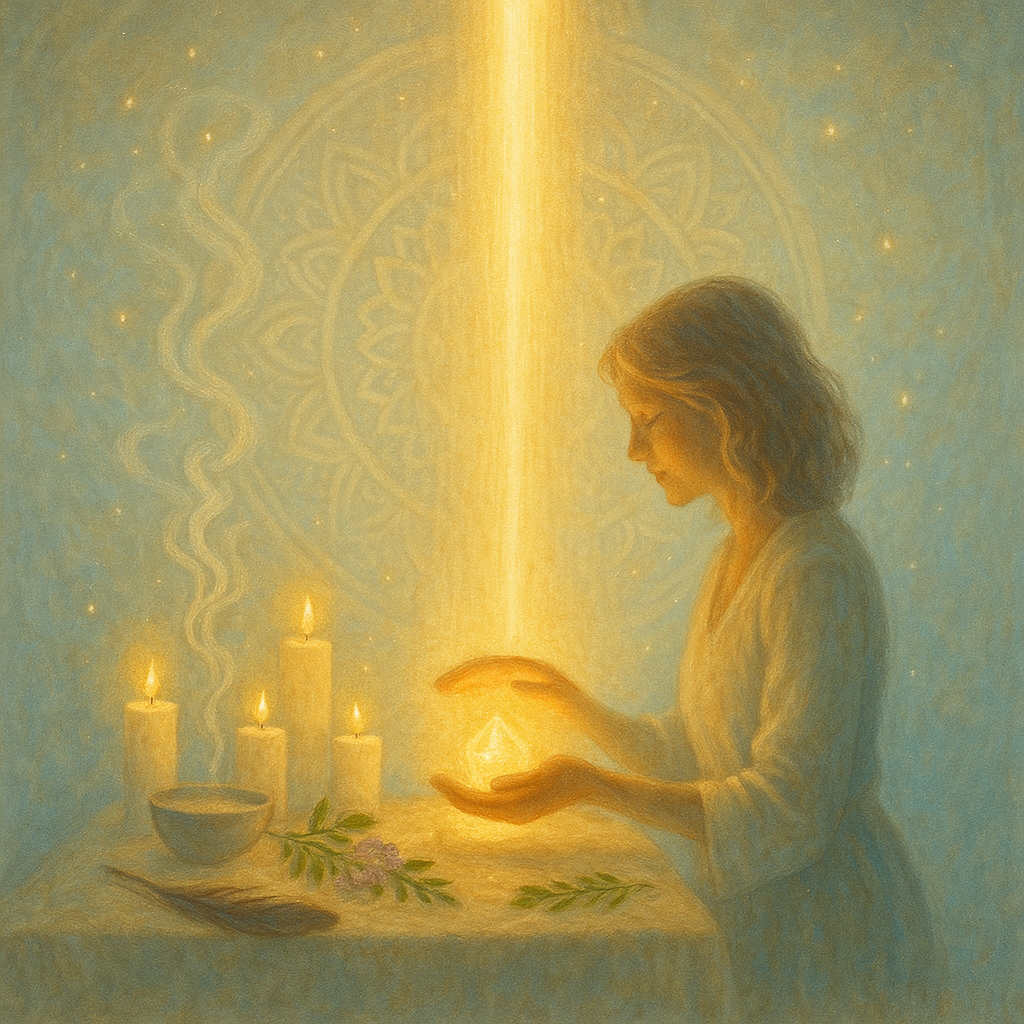
Blessing and Consecration Rituals are sacred practices used across spiritual, religious, and magical traditions to purify, empower, and dedicate objects, spaces, people, or intentions to a higher purpose. These rituals infuse the subject with spiritual energy, protection, and alignment, marking it as sacred or energetically refined. Whether performed in everyday life or within ceremonial settings, blessing and consecration rituals create a bridge between the mundane and the divine, transforming ordinary matter or moments into sacred expressions of intention, devotion, or spiritual function.
Purpose of Blessing and Consecration Rituals
Purification and Clearing
- Removes stagnant, negative, or unwanted energies
- Restores clarity, harmony, and spiritual cleanliness
- Prepares an object or space for sacred use
Empowerment and Activation
- Imbues the item or space with high-frequency energy
- Activates spiritual potential or specific magical properties
- Strengthens alignment with intention or divine will
Dedication to a Higher Purpose
- Marks something as sacred or spiritually devoted
- Sets clear boundaries for its use (e.g., altar items, tools, or spaces)
- Creates spiritual coherence and resonance
Foundations and Origins
Religious Traditions
Christianity
- Use of holy water, anointing oils, and blessings by clergy
- Consecration of churches, altars, religious items, and individuals
Judaism
- Blessings (brachot) for objects, food, and life events
- Dedication rituals for sacred items and spaces
Islam
- Invocations and recitations used to purify and bless
- Dedication of objects and homes with Qur’anic verses
Hinduism
- Puja rituals, anointing, and offerings to energize sacred items
- Prana pratishtha (ritual to “bring life” into a deity statue)
Indigenous and Earth-Based Traditions
- Smudging with herbs, drumming, chanting, and elemental rituals
- Blessings performed by elders or shamans
Wiccan, Pagan, and Magical Traditions
- Consecration of tools (athames, chalices, wands, crystals)
- Casting circles and empowering ritual items
- Use of the four elements for purification
Core Principles of Blessing and Consecration
Intention Shapes Energy
- The purpose behind the ritual determines the energetic outcome
- Clear, focused intention is essential for effective consecration
Purification Before Activation
- Cleansing removes old or dense energies
- Creates space for new spiritual frequencies
Invocation of Higher Power or Elements
- Ritual may call upon divine beings, ancestors, nature spirits, or elemental forces
- Establishes spiritual authority and support
Energetic Imbuing and Sealing
- After cleansing, energy is infused into the object or space
- Ritual seals or anchors the blessing
- Maintains long-term energetic integrity
Types of Blessing and Consecration Rituals
1. Object Consecration
Purpose
- Dedicate tools such as crystals, tarot decks, candles, altars, or amulets
- Prepare them for divination, healing, or magical work
Methods
- Cleansing with smoke, water, salt, or sound
- Charging with intention, moonlight, prayer, or elemental energies
2. Space Blessings
Purpose
- Purify and sanctify homes, rooms, temples, or sacred spaces
Methods
- Smudging, sprinkling blessed water, chanting, or lighting candles
- Invoking guardians or protective forces
3. Personal Blessings
Purpose
- Invite healing, protection, empowerment, or spiritual guidance
- Bless milestones such as births, transitions, or rites of passage
Methods
- Anointing with oils, laying on of hands, prayer, or chanting
4. Ritual Consecration for Ceremony
Purpose
- Prepare altars, ritual spaces, or individuals for ceremonial work
Methods
- Formal invocation, setting boundaries, energetic activation
5. Elemental Consecrations
Purpose
- Consecrate using earth, air, fire, and water
Examples
- Salt for grounding
- Smoke or incense for clarity
- Flame for transformation
- Water for purification
How to Perform a Blessing and Consecration Ritual
Step 1: Set Clear Intention
Consider:
- What is being blessed?
- Who or what is it being dedicated to?
- What purpose should it serve?
Step 2: Prepare the Sacred Space
- Clean the physical area
- Gather ritual items such as candles, incense, oils, or salt
- Create a quiet, grounded atmosphere
Step 3: Purify the Object or Space
Techniques:
- Smoke cleansing (sage, palo santo, herbs)
- Sprinkling or washing with blessed or charged water
- Sound cleansing (bells, bowls, chimes)
- Visualization of white or golden light
Purification removes any residual or unwanted energies.
Step 4: Invoke Higher Powers or Energies
- Call upon divine beings, ancestors, guides, or elements
- Establish protection and sacred presence
Step 5: Consecrate the Object, Person, or Space
Methods vary based on tradition:
- Anoint with oil
- Charge with energy using hands
- Speak words of blessing or prayer
- Hold the item in sacred light visualization
- Touch to earth, breath, flame, or water for elemental consecration
Step 6: Seal the Blessing
- Imagine a protective layer of light forming
- Speak affirmations or statements of dedication
- Thank the spiritual forces involved
Step 7: Close the Ritual
- Ground yourself with breath or touch
- Release invoked energies
- Express gratitude and intention to honor the blessing
Benefits of Blessing and Consecration Rituals
Energetic and Spiritual Benefits
- Enhanced protection and clarity
- Elevated vibration for spiritual or magical work
- Stronger connection to divine or ancestral guidance
Emotional and Psychological Benefits
- Sense of safety, peace, and intention
- Feelings of renewal, empowerment, and grounding
- Heightened mindfulness and respect for sacred objects
Practical and Ritual Benefits
- Ensures energetic integrity of tools and spaces
- Prevents interference from unwanted energies
- Supports successful ritual, healing, or divinatory practices
Advanced Enhancements
Lunar and Solar Timing
- New moon for new beginnings
- Full moon for empowerment
- Sun rituals for vitality and illumination
Combining Elements
- Use earth (salt), air (incense), fire (candle), and water (holy water)
- Creates balanced and complete consecration
Creating Long-Term Blessed Objects
- Talismans, amulets, wands, chalices
- Items used repeatedly accumulate sacred power
Ongoing Maintenance
- Regular cleansing to keep energies pure
- Recharging under moonlight, sunlight, or ritual invocation
Limitations and Considerations
Cultural Respect
- Blessing and consecration traditions are sacred to many cultures
- Practice with humility and awareness
Emotional Sensitivity
- Rituals may bring emotions to the surface
- Go slowly and remain grounded
Not a Substitute for Professional Support
- Rituals support energy and intention
- They do not replace medical or psychological care
Clear Boundaries
- Consecrated items are typically reserved for sacred use
- Avoid mixing with mundane or conflicting purposes
Key Symbols and Associations
Symbolic Elements
- Water: cleansing, blessing, emotional purification
- Fire: transformation, activation, divine spark
- Salt: grounding, protection, purification
- Oils: anointing, sacred dedication
- Light: divine presence and clarity
- Circle: sacred boundary and unity
Blessing and Consecration Rituals elevate everyday objects, spaces, and experiences into the realm of the sacred. Through purification, intention, and divine invocation, these rituals create powerful energetic alignment—supporting protection, healing, transformation, and spiritual devotion.