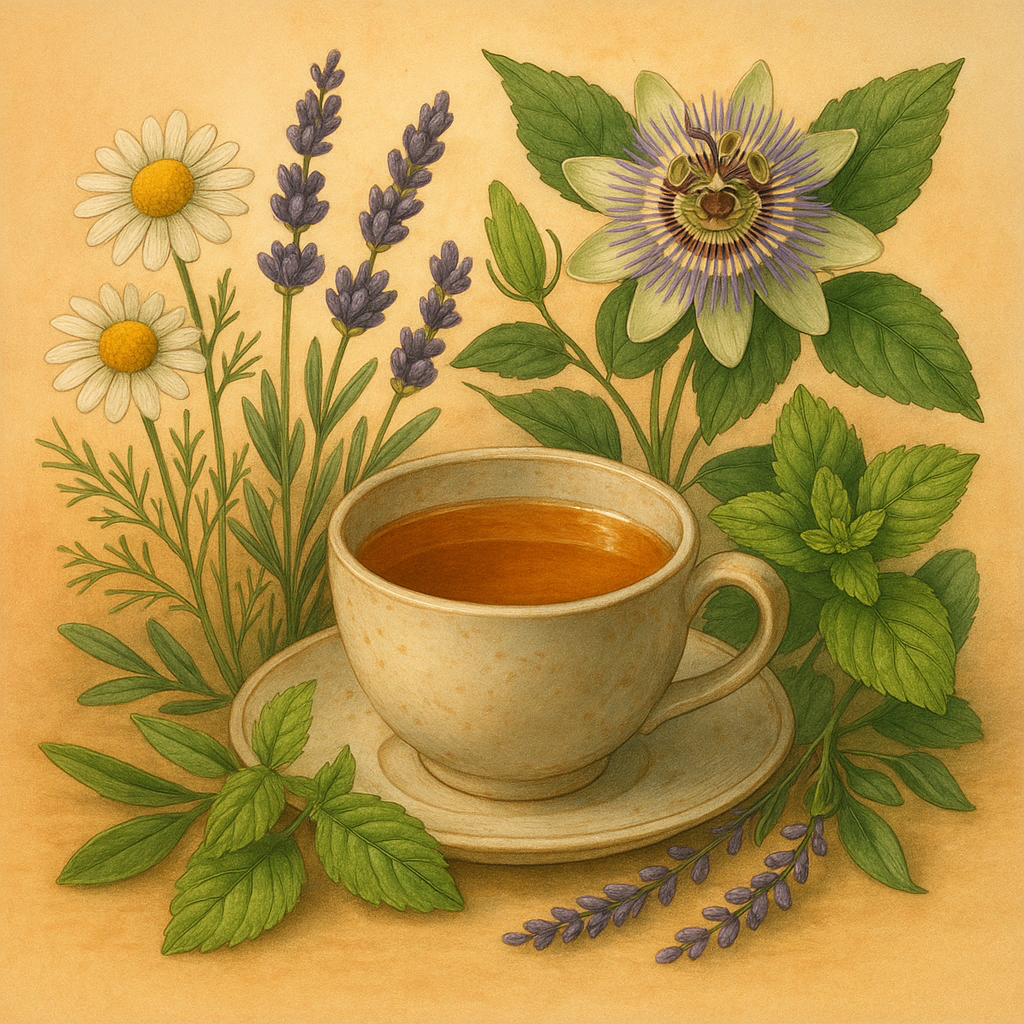
In a world that rarely slows down, the nervous system can feel like a tight string—vibrating with constant stimulation. Deadlines, screens, noise, and even subtle emotional tensions accumulate until we’re left running on adrenaline instead of flow. But nature, in her quiet wisdom, offers gentle allies that help us unwind, restore balance, and reconnect to calm.
Herbal remedies have been used for thousands of years to nourish the body and ease the mind. Unlike pharmaceuticals that suppress symptoms, these “plant allies” work in harmony with your body’s natural rhythms—inviting peace from the inside out. Let’s explore the herbs that can help you reclaim serenity, one sip or breath at a time.
Why Herbs Are Powerful for Emotional Balance
Stress isn’t just mental—it’s physical. It affects your heart rate, hormones, digestion, and sleep. The right herbs support the nervous system by gently regulating stress hormones, improving circulation, and calming inflammation—all while uplifting the mood.
When we consciously incorporate herbs into daily rituals—whether through teas, tinctures, or aromatherapy—they become more than supplements. They become companions in your healing journey, restoring your sense of safety and ease.
1. Lemon Balm: The Joy Herb
Known in herbal traditions as Melissa officinalis, lemon balm is a cheerful, heart-lifting herb. Its bright citrus scent soothes the nerves and gently uplifts mood without sedation. It’s perfect for those who feel anxious, restless, or overwhelmed.
How to Use:
- Sip as a warm tea before bed for relaxation.
- Add fresh leaves to water for a calming infusion.
- Use as a tincture during the day to steady the mind without fatigue.
Holistic Tip: Combine lemon balm with chamomile or lavender for a synergistic stress-relieving blend.
2. Chamomile: The Classic Comforter
Chamomile is a household name for a reason—it’s gentle, safe, and profoundly effective. Traditionally used for centuries to calm both the mind and digestion, chamomile brings softness where there’s tension.
How to Use:
- Steep dried chamomile flowers in hot water for 10 minutes.
- Drink in the evening to ease anxiety and improve sleep.
- Apply cooled tea compresses to soothe tired eyes or irritated skin.
Holistic Insight: Chamomile helps those who carry stress in their stomach or find themselves clenching their jaw. It teaches your body to exhale.
3. Holy Basil (Tulsi): The Sacred Stress Reliever
In Ayurveda, holy basil—or tulsi—is revered as a sacred herb for restoring spiritual and emotional balance. Tulsi helps the body adapt to stress, reduces cortisol, and enhances focus and clarity. It’s grounding and energizing at once, making it ideal for busy minds.
How to Use:
- Brew as a tea for morning focus or evening calm.
- Use tulsi tincture daily for adrenal and nervous system support.
- Inhale tulsi essential oil to ground scattered energy.
Holistic Insight: Tulsi reconnects you to your breath and presence—transforming stress into stillness.
4. Lavender: The Soothing Spirit
Lavender doesn’t just smell good—it’s one of nature’s most powerful allies for emotional and physical relaxation. Its floral scent activates the parasympathetic nervous system (the “rest and digest” state), instantly lowering anxiety and heart rate.
How to Use:
- Add lavender essential oil to your diffuser or bath.
- Sip lavender-infused tea in the afternoon to unwind.
- Rub diluted lavender oil on your temples or wrists for quick calm.
Holistic Insight: Lavender teaches that peace isn’t passive—it’s an active return to harmony.
5. Passionflower: The Restful Mind
Passionflower works wonders for circular thinking and racing thoughts. It quiets mental chatter and promotes deep, restorative sleep without the grogginess of sedatives. It’s ideal for those who can’t seem to “turn off” at night.
How to Use:
- Take as a tincture before bed.
- Blend with skullcap or valerian for sleep support.
- Try a warm cup of passionflower tea after a long day.
Holistic Tip: Combine with breathwork or meditation for powerful nervous system resetting.
6. Skullcap: The Tension Tamer
Skullcap is a gentle yet effective herb for those who hold stress in the body—especially the shoulders, neck, and jaw. It nourishes and restores the nervous system over time, offering calm strength instead of sedation.
How to Use:
- Take as a tincture daily for ongoing stress management.
- Combine with lemon balm or tulsi for balanced calm.
- Drink as a warm tea before meditation or journaling.
Holistic Insight: Skullcap helps you soften into yourself—releasing tension you didn’t realize you were holding.
How to Bring Herbs Into Your Daily Routine
Creating a healing relationship with herbs is about rhythm, not rigidity. Choose one or two herbs that resonate with you and integrate them into your daily rituals:
- Morning: Sip tulsi or lemon balm tea while setting intentions.
- Midday: Take a moment to breathe deeply with lavender essential oil.
- Evening: Wind down with chamomile and passionflower tea as you journal or stretch.
Holistic Reminder: Consistency builds relationship. Just as with people, the more you connect with your herbal allies, the more they support you.
The Spiritual Layer: Herbs as Conscious Teachers
Each plant carries its own vibration and wisdom. When you sit with an herb mindfully—feeling its aroma, color, and energy—you tune into a deeper level of healing. Herbs like lavender, tulsi, and lemon balm teach peace not only through chemistry but through frequency.
The act of brewing tea or preparing an herbal bath becomes a ritual — a sacred pause that invites your energy to slow, settle, and expand.
Conclusion: Return to Nature’s Rhythm
In times of stress, the body yearns to remember what’s natural—peace, balance, and rhythm. Your herbal allies remind you that healing doesn’t need to be forceful. It can be gentle, fragrant, and slow.
When you sip tea, breathe deeply, or sit in quiet gratitude, you are already participating in the ancient art of restoration. The more you commune with nature’s medicines, the more you’ll feel your nervous system realign with the calm intelligence of the Earth itself.