
Overview
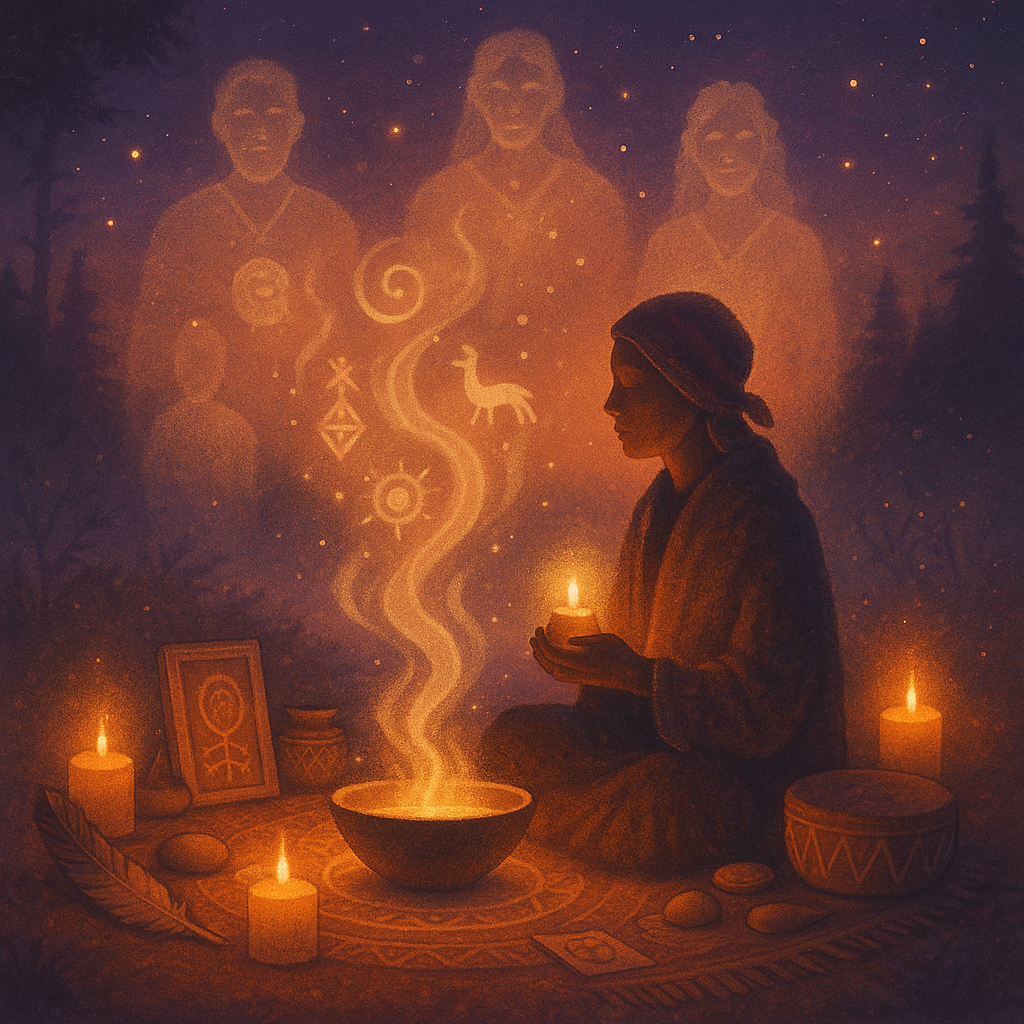
Ancestral Healing Rituals are spiritual practices that honor, connect with, and heal ancestral lineages—both recent and ancient. These rituals acknowledge that emotional patterns, traumas, beliefs, and energetic imprints can be passed down through generations. By working consciously with ancestors, individuals can release inherited burdens, reclaim ancestral gifts, and restore harmony within the lineage. Found across cultures worldwide, ancestral healing serves as a bridge between the living and those who came before, fostering continuity, wholeness, and spiritual empowerment.
Purpose of Ancestral Healing Rituals
Releasing Inherited Trauma and Patterns
- Helps dissolve generational wounds and unresolved emotional energy
- Addresses cycles such as fear, shame, scarcity, or relational conflict
- Brings liberation to both present and future generations
Honoring Lineage and Cultivating Connection
- Builds a deeper understanding of family history
- Strengthens identity and grounded belonging
- Fosters respect for the wisdom and resilience of ancestors
Restoring Balance and Energetic Harmony
- Clears stagnation or disorder in the ancestral field
- Nourishes the lineage with positive intention, love, and light
- Supports the healing of collective and cultural wounds
Foundations and Origins
Global Cultural Traditions
Ancestral healing is found in nearly every culture:
African and African Diaspora Traditions
- Offerings, drumming, trance work, and honoring ancestral spirits
Native American and Indigenous Traditions
- Fire ceremonies, prayer circles, and guidance from elders
Asian Practices
- Ancestor altars, incense offerings, Taoist rituals, and Shinto honoring
Celtic and Northern European Traditions
- Samhain, spirit honoring rituals, and genealogical remembrance
Latin American Traditions
- Día de los Muertos, altars (ofrendas), and familial offerings
Modern Spiritual Approaches
- Family constellations
- Energy healing, Reiki, or shamanic journeywork
- Meditation, visualization, and ritual intention
- Trauma-informed ancestral therapy
Core Principles of Ancestral Healing
Continuity Across Generations
- Recognizes that family patterns echo across time
- Healing the present affects the past and future lineage
Relationship with the Ancestors
- Connecting with ancestors through reverence, gratitude, or prayer
- Acknowledging both well ancestors and those who experienced suffering
Energetic Clearing and Restoration
- Transforming inherited emotional or karmic imprints
- Releasing heavy energy and inviting healing light into the lineage
Integration of Ancestral Gifts
- Reclaiming strengths, talents, wisdom, and resilience
- Honoring positive aspects of lineage as sources of empowerment
Types of Ancestral Healing Rituals
1. Ancestral Altar Rituals
Purpose
- Create a physical space to honor and connect with ancestors
Components
- Photos, candles, water, food offerings, flowers
- Sacred symbols, incense, or meaningful heirlooms
2. Guided Ancestral Meditation or Journeying
Purpose
- Entering a meditative state to meet ancestors or ancestral guides
Methods
- Visualization
- Shamanic drumming
- Energy guided meditation
3. Ancestral Offering Rituals
Purpose
- Give gratitude, nourishment, or symbolic gifts to the lineage
Offerings
- Water, rice, fruit, herbs, smoke, prayers
4. Transgenerational Release Rituals
Purpose
- Release patterns such as fear, addiction, shame, or trauma
Tools
- Fire ceremony for burning old patterns
- Visualization of cutting cords or dissolving burdens
5. Family Constellation Work
Purpose
- Explore hidden family dynamics and generational trauma
- Reorder family systems for healing and balance
6. Ancestral Storytelling or Genealogy Rituals
Purpose
- Bring awareness to family history
- Reclaim lost or forgotten stories and identities
7. Energetic Clearing and Blessing Rituals
Purpose
- Cleanse ancestral energy and invite blessing
Tools
- Sage, palo santo, incense
- Sound healing (bells, bowls, drums)
- Prayer or sacred intention
How to Perform an Ancestral Healing Ritual
Step 1: Set Intention
Questions to guide intention:
- What pattern or wound am I healing?
- What connection do I wish to strengthen?
- What blessing do I seek for future generations?
Step 2: Prepare the Ritual Space
- Create a clean, sacred environment
- Light candles, burn incense, or play calming music
- Set up an altar if desired
Step 3: Invite Ancestral Presence
Methods
- Speak their names aloud
- Call upon well ancestors (those healed and in alignment with love)
- Ask for guidance, protection, and clarity
Step 4: Perform the Ritual
May include:
- Meditation or journeywork
- Offerings on the altar
- Writing letters to ancestors
- Fire release ceremony
- Chanting or prayer
- Visualization of healing light flowing through the lineage
Step 5: Release and Transform
- Visualize heavy ancestral energy dissolving
- Offer forgiveness or ask for forgiveness
- Acknowledge wounds without judgment
Step 6: Receive Ancestral Gifts
- Tune into wisdom, blessings, or insights
- Recognize inherited virtues, strengths, and resilience
Step 7: Close With Gratitude
- Thank the ancestors for their presence
- Blow out candles or close the ritual space
- Ground yourself through breath or touch to the earth
Benefits of Ancestral Healing Rituals
Emotional and Psychological Benefits
- Healing generational trauma
- Greater emotional freedom and inner peace
- Release of inherited fears or limiting beliefs
Energetic and Spiritual Benefits
- Strengthened intuition and spiritual guidance
- Harmonized ancestral field and lineage
- Feeling of protection, grounding, and belonging
Personal and Relational Benefits
- Improved family relationships
- Healthier boundaries
- Greater compassion and understanding
Advanced Practices and Enhancements
Rituals Done on Ancestral or Lunar Days
- New moon, full moon, solstices, Samhain
- Ancestor-focused holidays in various cultures
Working With Ancestral Guides
- Specific ancestral spirits or archetypes
- Strengthens intuitive and spiritual communication
Creating Ongoing Offerings
- Weekly water offerings
- Daily candle lightings
- Monthly remembrance rituals
Combining With Healing Modalities
- Reiki
- Breathwork
- Shamanic healing
- Somatic therapy
Limitations and Considerations
Emotional Sensitivity
- Generational trauma may trigger strong emotions
- Approach slowly and with compassion
Seek Guidance When Needed
- Work with a healer, therapist, or trained practitioner
- Especially helpful for deep trauma or unknown family history
Cultural Respect
- Many rituals come from Indigenous or lineage-specific traditions
- Approach with reverence and cultural awareness
Not a Substitute for Clinical Treatment
- Rituals support healing but do not replace therapy or medical care
Key Symbols and Associations
Symbolic Elements
- Water: lineage, cleansing, life flow
- Fire: transformation and release
- Candles: ancestral presence and illumination
- Flowers: offerings, purity, respect
- Photos and Heirlooms: connection to lineage
- Food Offerings: nourishment of ancestral spirits
Ancestral Healing Rituals offer a profound path to healing family wounds, honoring lineage, and reclaiming ancestral wisdom. Through intentional practice, individuals bring harmony to the past, empowerment to the present, and blessings to the generations yet to come—restoring the full spectrum of their ancestral light.