
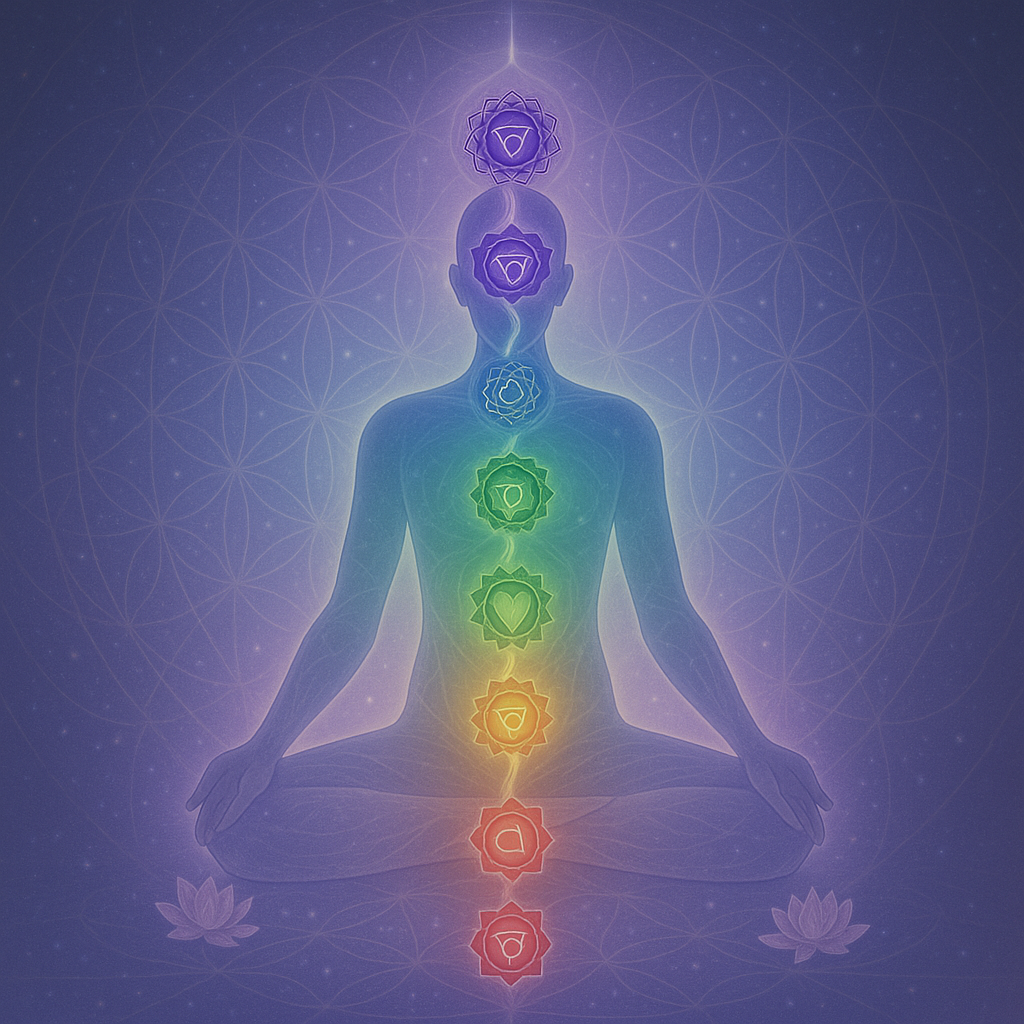
The chakra system is a vital energetic framework within the human body, consisting of spinning energy centers that influence physical, emotional, mental, and spiritual well-being. When the chakras are balanced, energy flows freely, supporting vitality, inner peace, and higher consciousness. However, when chakras become blocked, overactive, or underactive, this can lead to imbalances in various aspects of life. Learning how to balance the chakra system is essential for holistic health and personal transformation.
What Are Chakras?
Chakras are seven primary energy centers aligned along the spine, from the base to the crown of the head. Each chakra corresponds to specific organs, glands, emotional states, and levels of consciousness. They absorb and distribute life force energy (also known as prana, chi, or qi) throughout the body.
The word chakra comes from Sanskrit, meaning “wheel” or “disk.” These energetic wheels must stay open and balanced for the body, mind, and spirit to function optimally.
Why Balance the Chakras?
Balancing the chakras restores energetic harmony and encourages:
- Physical health and vitality
- Emotional stability and clarity
- Mental focus and confidence
- Spiritual growth and awareness
- A deeper connection to self and others
When balanced, chakras support holistic alignment, empowering individuals to live with authenticity, purpose, and peace.
Overview of the Seven Main Chakras
Each chakra plays a unique role in the energy system. Here’s a breakdown of their functions and signs of imbalance:
1. Root Chakra (Muladhara)
Location: Base of the spine
Color: Red
Element: Earth
Associated Themes: Safety, survival, grounding, basic needs
Signs of Imbalance:
- Fear, anxiety, insecurity
- Disconnection from the body or nature
- Financial instability or instability in life
Balancing Techniques:
- Grounding exercises (walking barefoot, spending time in nature)
- Eating root vegetables and red foods
- Using affirmations like “I am safe and supported”
2. Sacral Chakra (Svadhisthana)
Location: Lower abdomen, just below the navel
Color: Orange
Element: Water
Associated Themes: Emotions, pleasure, creativity, sexuality
Signs of Imbalance:
- Guilt, shame, emotional numbness
- Creative blocks or unhealthy attachments
- Sexual dysfunction or repression
Balancing Techniques:
- Dance, flow movement, and creative expression
- Working with water (baths, swimming)
- Affirmations like “I embrace pleasure and creativity”
3. Solar Plexus Chakra (Manipura)
Location: Upper abdomen/stomach area
Color: Yellow
Element: Fire
Associated Themes: Personal power, will, confidence, purpose
Signs of Imbalance:
- Low self-esteem, indecisiveness, anger
- Control issues or lack of motivation
- Digestive problems
Balancing Techniques:
- Core-strengthening exercises
- Sunlight exposure
- Affirmations like “I am confident and in control of my life”
4. Heart Chakra (Anahata)
Location: Center of the chest
Color: Green (sometimes pink)
Element: Air
Associated Themes: Love, compassion, forgiveness, connection
Signs of Imbalance:
- Grief, jealousy, bitterness
- Difficulty giving or receiving love
- Respiratory or heart issues
Balancing Techniques:
- Heart-centered meditations and breathwork
- Acts of kindness and compassion
- Affirmations like “I give and receive love freely”
5. Throat Chakra (Vishuddha)
Location: Throat area
Color: Blue
Element: Sound/Ether
Associated Themes: Communication, truth, expression
Signs of Imbalance:
- Fear of speaking, dishonesty, social anxiety
- Gossiping or dominating conversations
- Throat or thyroid issues
Balancing Techniques:
- Chanting or singing
- Journaling and honest conversations
- Affirmations like “I express my truth clearly and lovingly”
6. Third Eye Chakra (Ajna)
Location: Center of the forehead between the eyebrows
Color: Indigo
Element: Light
Associated Themes: Intuition, insight, inner vision
Signs of Imbalance:
- Confusion, lack of focus, cynicism
- Overactive imagination or difficulty trusting intuition
- Headaches, eye strain
Balancing Techniques:
- Meditation and mindfulness practices
- Visualization exercises
- Affirmations like “I trust my inner wisdom”
7. Crown Chakra (Sahasrara)
Location: Top of the head
Color: Violet or White
Element: Spirit
Associated Themes: Spiritual connection, enlightenment, higher consciousness
Signs of Imbalance:
- Disconnection from spirit or lack of purpose
- Closed-mindedness or spiritual obsession
- Migraines or neurological imbalances
Balancing Techniques:
- Silent meditation and prayer
- Connection with divine or universal energy
- Affirmations like “I am connected to the infinite source of wisdom”
General Techniques to Balance the Chakras
While specific techniques apply to each chakra, there are general methods that support full-system balance:
Energy Healing
- Reiki
- Sound therapy (singing bowls, tuning forks)
- Crystal healing
- Acupuncture or acupressure
Yoga and Movement
- Chakra-based yoga poses (e.g., Tree Pose for Root, Camel Pose for Heart)
- Breathwork practices (pranayama)
- Dance and intuitive movement
Meditation and Visualization
- Guided chakra meditations
- Visualizing spinning, colored light in each chakra
- Mantra chanting (e.g., LAM for Root, OM for Crown)
Nutrition and Color Therapy
- Eating foods that match chakra colors (e.g., blueberries for the Throat chakra)
- Wearing or surrounding yourself with chakra-associated colors
Final Thoughts
Balancing the chakra system is a deeply empowering process that brings harmony to the body, mind, and spirit. It helps release blockages, enhance energy flow, and support a more centered and vibrant life. Whether you’re new to chakra work or deepening your practice, consistent attention to these energy centers can lead to profound personal transformation and spiritual awakening.