
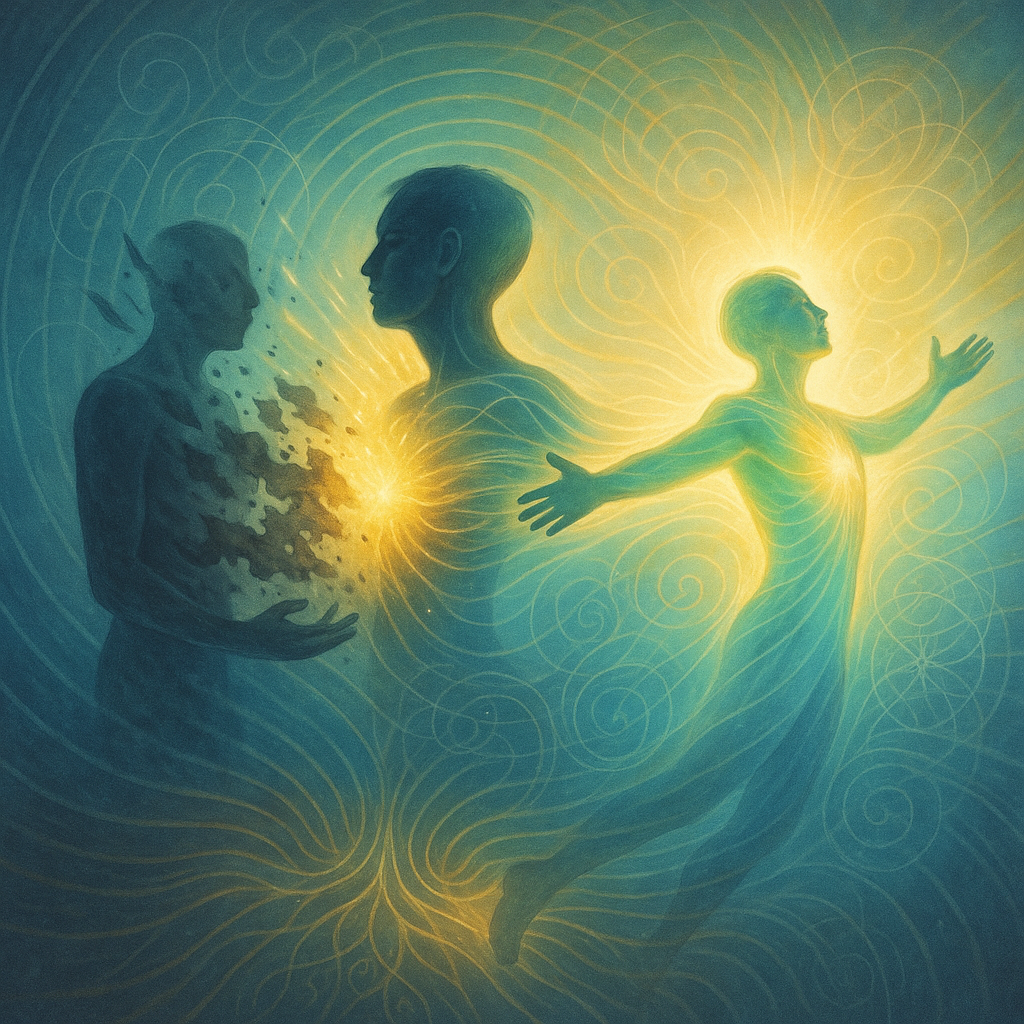
Body-Based Trauma Release Techniques are therapeutic practices designed to release unresolved trauma stored in the body. Trauma is not only a psychological experience but also a physiological one—stressful or overwhelming events can become “trapped” in the nervous system, muscles, and energy field, leading to chronic tension, anxiety, pain, or emotional reactivity. These techniques use movement, breath, touch, and somatic awareness to discharge stored energy, regulate the nervous system, and restore a sense of safety, balance, and vitality.
Understanding Trauma in the Body
Trauma as a Somatic Imprint
When the body experiences trauma, the natural fight, flight, or freeze response may remain incomplete. This unresolved survival energy can become embedded in muscles, tissues, and the nervous system.
Nervous System Dysregulation
The autonomic nervous system (ANS) governs the body’s stress responses. Trauma can leave the ANS stuck in hyperarousal (anxiety, hypervigilance) or hypoarousal (numbness, dissociation).
The Role of Body-Based Healing
By directly addressing the body where trauma is stored, these techniques help release tension, complete unfinished stress responses, and restore the natural rhythm of regulation.
Core Body-Based Trauma Release Techniques
Somatic Experiencing (SE)
- Method: Developed by Dr. Peter Levine, SE guides individuals to gently track body sensations and release trapped survival energy.
- Benefit: Reduces hyperarousal, relieves anxiety, and restores nervous system balance.
TRE® (Tension & Trauma Release Exercises)
- Method: A series of physical exercises designed to activate natural tremors in the body that release deep muscular tension.
- Benefit: Discharges stress, relieves chronic pain, and promotes deep relaxation.
Breathwork
- Method: Conscious breathing practices (such as holotropic breathwork or deep diaphragmatic breathing) to access and release stored trauma.
- Benefit: Oxygenates the body, clears emotional blockages, and promotes cathartic release.
Trauma-Informed Yoga
- Method: Yoga practices adapted to focus on safety, choice, and body awareness rather than performance.
- Benefit: Helps survivors reconnect with their bodies and regulate emotions.
Bodywork and Touch Therapy
- Method: Techniques such as massage, myofascial release, or craniosacral therapy applied with trauma awareness.
- Benefit: Releases tension patterns and fosters a sense of safety in the body.
Benefits of Body-Based Trauma Release
Physical Benefits
- Reduces chronic pain and muscle tension
- Improves sleep and digestion
- Supports immune and circulatory function
Emotional and Mental Benefits
- Decreases anxiety, depression, and hypervigilance
- Promotes emotional release and regulation
- Builds resilience and self-awareness
Spiritual and Energetic Benefits
- Clears energetic blockages from unresolved trauma
- Restores connection between body, mind, and spirit
- Encourages a deeper sense of presence and inner peace
Signs That Trauma Release May Be Needed
- Chronic tension or pain without clear medical cause
- Hyperarousal (restlessness, irritability, panic)
- Hypoarousal (numbness, detachment, exhaustion)
- Difficulty feeling safe or grounded
- Recurrent emotional triggers or flashbacks
Safety and Considerations
- Trauma release should be guided by qualified practitioners trained in trauma-informed care.
- Practices must move at a pace that feels safe and empowering to the individual.
- Self-practices (like TRE or yoga) should be introduced gradually and stopped if overwhelming.
- These techniques are complementary and should not replace professional medical or psychological treatment.
Conclusion
Body-Based Trauma Release Techniques are powerful pathways for healing unresolved trauma held within the body. By using somatic awareness, movement, breath, and gentle touch, these methods allow stored survival energy to be safely discharged, the nervous system to regulate, and the body to return to balance. They empower individuals to move beyond cycles of fear and tension, creating space for resilience, wholeness, and renewed vitality across physical, emotional, and spiritual dimensions.