
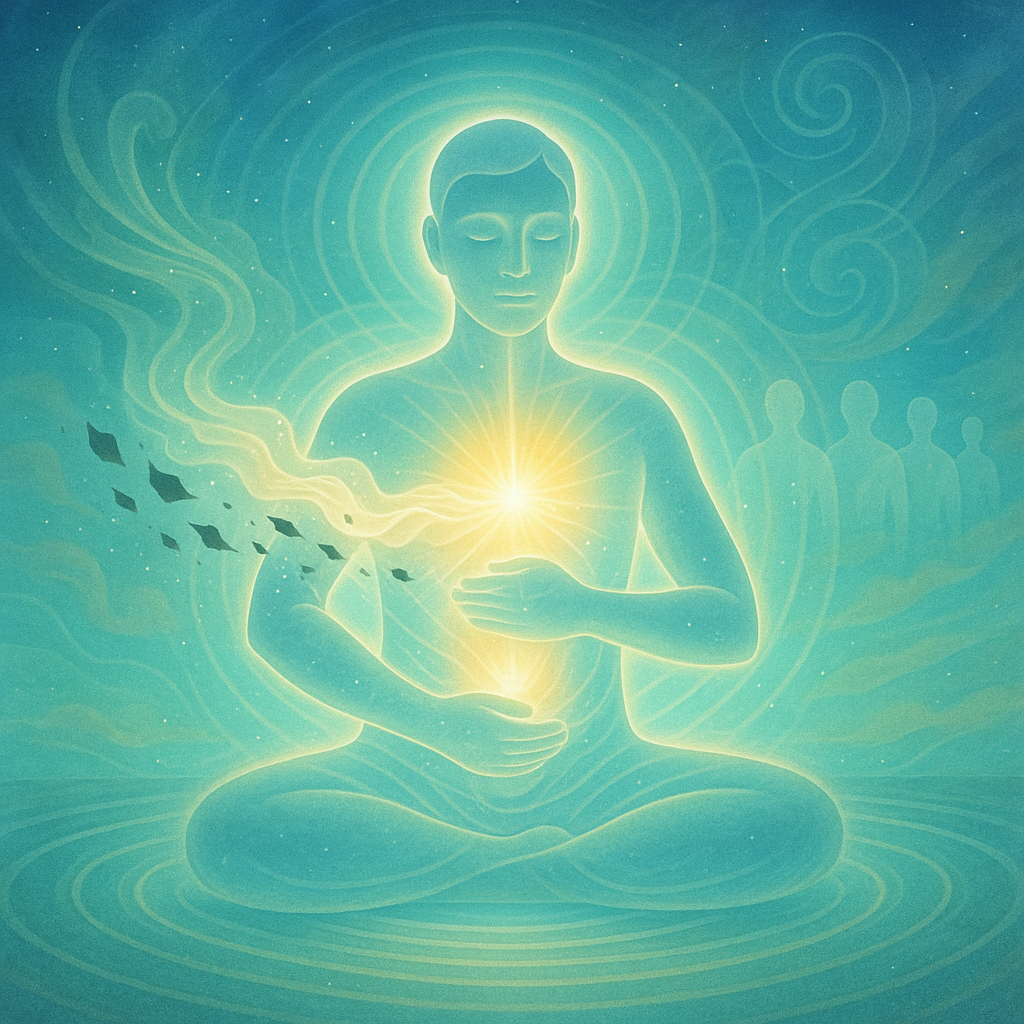
Breathwork for Emotional Release is a therapeutic practice that uses conscious breathing techniques to access, process, and release stored emotions. Emotions that are suppressed or unresolved often remain embedded in the body and nervous system, leading to stress, tension, or even physical symptoms. By working intentionally with the breath, individuals can bypass the analytical mind, connect with the body’s deeper memory, and allow trapped emotions to surface and move out of the system. This process fosters emotional balance, nervous system regulation, and greater inner freedom.
Principles of Breathwork for Emotional Release
The Breath–Emotion Connection
Breathing patterns directly influence emotional states. Shallow or restricted breathing often reflects suppressed emotions, while open and rhythmic breathing can unlock and release them.
Accessing the Subconscious
Conscious breathwork helps bypass the thinking mind, allowing access to unconscious memories and stored trauma. This opens a pathway to emotional release and integration.
Completing Unfinished Stress Cycles
Trauma and unprocessed emotions can leave the body stuck in incomplete stress responses. Breathwork helps complete these cycles, restoring balance to the nervous system.
Common Breathwork Techniques for Emotional Release
Holotropic Breathwork
- Method: Developed by Dr. Stanislav Grof, it involves deep, rapid breathing in a safe, guided environment.
- Benefit: Accesses altered states of consciousness to release deep emotional and spiritual blockages.
Conscious Connected Breathing
- Method: Continuous circular breathing without pauses between inhale and exhale.
- Benefit: Encourages emotional release and clears suppressed energy from the body.
Pranayama (Yogic Breathing)
- Method: Ancient breathing exercises such as Kapalabhati, Bhastrika, or Nadi Shodhana.
- Benefit: Balances energy, releases tension, and harmonizes emotions.
Rebirthing Breathwork
- Method: A practice of connected breathing intended to release trauma stored from birth and early life experiences.
- Benefit: Brings deep emotional catharsis and healing of subconscious patterns.
Somatic Breathwork
- Method: Breath combined with movement, sound, or body awareness techniques.
- Benefit: Grounds emotional release in physical sensation for integration and safety.
Benefits of Breathwork for Emotional Release
Emotional and Mental Benefits
- Releases suppressed grief, anger, fear, or shame
- Reduces anxiety, depression, and emotional reactivity
- Promotes clarity, self-acceptance, and inner peace
Physical Benefits
- Relieves muscular tension and stress-related symptoms
- Improves circulation, oxygenation, and energy levels
- Supports immune and nervous system regulation
Spiritual and Energetic Benefits
- Clears stagnant energy and balances the chakras
- Deepens meditation and spiritual awareness
- Cultivates a sense of connection with higher consciousness
What to Expect in a Session
Preparation
- A safe and supportive space is established, often with calming music or guidance.
- The practitioner explains breathing patterns and sets intentions with the participant.
The Process
- Participants begin breathing rhythmically and deeply.
- Physical sensations (tingling, warmth), emotional waves, or vivid imagery may arise.
- Emotions may be released through tears, laughter, movement, or vocal expression.
Integration
- After the session, grounding practices such as rest, journaling, or discussion help integrate the experience.
- Many people feel lighter, calmer, or more connected afterward.
Safety and Considerations
- Breathwork can be intense; it should be practiced with trained facilitators, especially for trauma release.
- Not recommended for individuals with certain medical conditions (e.g., severe heart or respiratory issues, epilepsy, pregnancy) without medical clearance.
- Emotional releases can be powerful; proper aftercare and support are essential.
- Breathwork complements but does not replace therapy or medical care.
Conclusion
Breathwork for Emotional Release is a powerful pathway to healing that uses the breath as a bridge between body, mind, and spirit. By opening space for suppressed emotions to surface and move through, breathwork restores balance, reduces stress, and fosters greater resilience. Whether practiced through holotropic, connected, yogic, or somatic techniques, breathwork provides a safe and transformative tool for emotional freedom and inner awakening.