
Overview
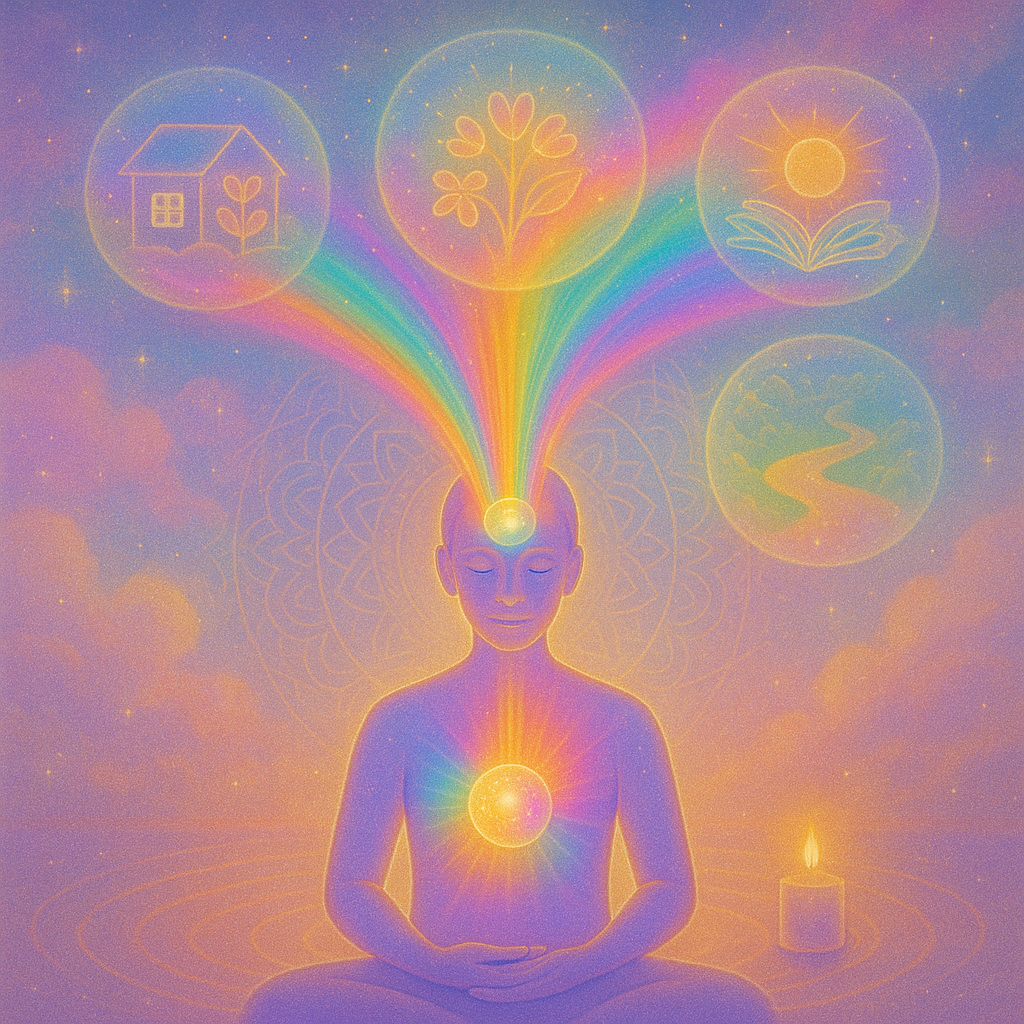
Creative visualization is a powerful technique that uses imagination, sensory detail, and focused intention to shape one’s inner experience and influence outer reality. By mentally rehearsing desired outcomes with emotional intensity and clarity, individuals can reprogram the subconscious mind, align their energy with specific goals or states of being, and activate the manifestation process. Creative visualization bridges psychology, spirituality, and quantum principles, making it a foundational tool in personal development, healing, and metaphysical practice.
Purpose of Creative Visualization
Programming the Subconscious Mind
- Creates new neural patterns based on desired experiences
- Helps dissolve limiting beliefs and internal resistance
- Allows the mind to accept new realities as achievable and familiar
Aligning Emotion and Intention
- Deepens connection to desired states and outcomes
- Amplifies manifestation through emotional resonance
- Strengthens vibrational alignment with goals, dreams, and healing
Supporting Personal and Spiritual Transformation
- Reinforces confidence, clarity, and inner guidance
- Expands intuition and connection to the higher self
- Encourages visionary thinking and creative problem-solving
Core Principles of Creative Visualization
Your Mind Creates Internal Reality
- The subconscious cannot distinguish between vividly imagined experiences and real ones
- Visualizing positive outcomes prepares your mind to accept and move toward them
Emotion Amplifies Manifestation
- Emotion is the energetic charge behind visualization
- Feeling the outcome intensifies its impact on the mind and energetic field
The Present Moment is the Creative Field
- Visualizations are most effective when framed as happening now
- “I am” and “I experience” create stronger resonance than “I will”
Consistency Creates Momentum
- Regular practice reinforces the desired patterns
- Repeated visualizations strengthen neural and energetic pathways
Types of Creative Visualization Techniques
Sensory Visualization
Purpose
- Uses all five senses to create vivid, lifelike experiences
Practice
- Imagine sights, sounds, textures, scents, and emotions
- Engage sensory detail to deepen the subconscious imprint
Guided Visualization
Purpose
- Uses audio, meditation scripts, or facilitators to guide imagery
Benefits
- Reduces mental resistance
- Supports beginners or those who struggle to visualize
Future-Self Visualization
Purpose
- Connects with the version of yourself living your desired reality
Practice
- See your future self’s confidence, behaviors, and environment
- Ask your future self for guidance or wisdom
Scene-Based Visualization
Purpose
- Focuses on specific scenes where the manifestation is already complete
Examples
- Receiving a job offer
- Living in your dream home
- Embracing a loved one in reconciliation
- Feeling vibrant health in your body
Energetic Visualization
Purpose
- Works with energy, light, and frequency rather than physical scenes
Methods
- Visualize chakras opening
- Imagine light filling the body
- See energy fields expanding and harmonizing
Symbolic Visualization
Purpose
- Uses symbols, metaphors, or archetypes to represent goals or change
Examples
- A door opening to opportunity
- Roots grounding into the Earth
- A flame igniting passion and purpose
Healing Visualization
Purpose
- Supports emotional or physical healing
Techniques
- See the body repairing itself
- Imagine releasing past trauma as light
- Envision emotional pain dissolving like smoke
Steps for Effective Visualization
Step 1: Enter a Relaxed State
- Use deep breathing, meditation, or grounding exercises
- Relaxation increases receptivity and reduces inner resistance
Step 2: Clarify the Desired Outcome
- Define what you want to experience
- Focus on a clear image or emotional state
Step 3: Engage the Senses
- Bring in color, movement, detail, and sound
- Make the visualization as immersive as possible
Step 4: Feel the Emotions
Ask:
- What would it feel like if this were already real?
- What emotions does this reality bring?
Emotion is the energetic magnet that anchors the visualization.
Step 5: Visualize in the Present Tense
- “I am experiencing…”
- “It is happening now…”
- Creates immediate alignment and eliminates energetic distance
Step 6: Allow, Don’t Force
- Let images flow naturally
- Release perfectionism or pressure
- Trust imagination as a fluid, intuitive tool
Step 7: Close with Gratitude
- Gratitude seals the visualization
- Creates resonance with receiving and alignment
Applications of Creative Visualization
Manifestation and Goal Achievement
- Attracts opportunities, relationships, and outcomes
- Strengthens motivation and mental clarity
Emotional and Mental Healing
- Supports trauma release and emotional resilience
- Helps reprogram negative thought loops
Physical Healing
- Aids recovery through mind–body connection
- Used in holistic and integrative health practices
Spiritual Growth
- Enhances meditation and intuition
- Deepens connection to higher guidance and inner wisdom
Performance and Skill Development
- Used by athletes, performers, and leaders
- Improves confidence, focus, and coordination
Enhancing Visualization Practice
Combine With Other Techniques
- Affirmations
- Breathwork
- Journaling (scripting)
- Chakra work
- Sound healing
- Crystal meditation
Use a Dedicated Space
- Create a peaceful environment
- Use candles, crystals, or calming scents
- Strengthens energetic consistency
Practice Regularly
- Daily short sessions or weekly longer sessions
- Repetition cultivates clarity, stability, and momentum
Embody the Visualization Afterward
- Carry the emotional frequency into your day
- Make choices aligned with the vision
- Embodiment anchors visualization into physical reality
Limitations and Considerations
Not a Substitute for Action
- Visualization prepares the inner state
- Manifestation still requires aligned behavior and choices
Emotional Resistance May Surface
- Visualizing new realities can reveal limiting beliefs
- This is an opportunity for healing and re-patterning
Visualization Ability Varies
- Some people visualize images, others feel or sense energy
- All forms are valid and effective
Should Complement Professional Care
- Helpful for mental and emotional support
- Not a replacement for clinical therapy or medical treatment
Key Symbols and Associations
Symbolic Elements
- Light: clarity, healing, higher consciousness
- Water: fluidity, emotional flow, intuitive imagination
- Fire: transformation, motivation, passion
- Earth: grounding, manifestation, structure
- Air: inspiration, ideas, mental clarity
- Doorways: opportunities and new timelines
- Paths: life direction and progression
Creative visualization techniques offer a transformative way to align the mind, emotions, and energy with your highest intentions. By engaging imagination with clarity and feeling, these practices open the gateway to new possibilities, rewiring internal patterns and amplifying manifestation. Whether used for healing, personal growth, or spiritual awakening, creative visualization empowers individuals to consciously shape their inner world—and, through it, their lived reality.