
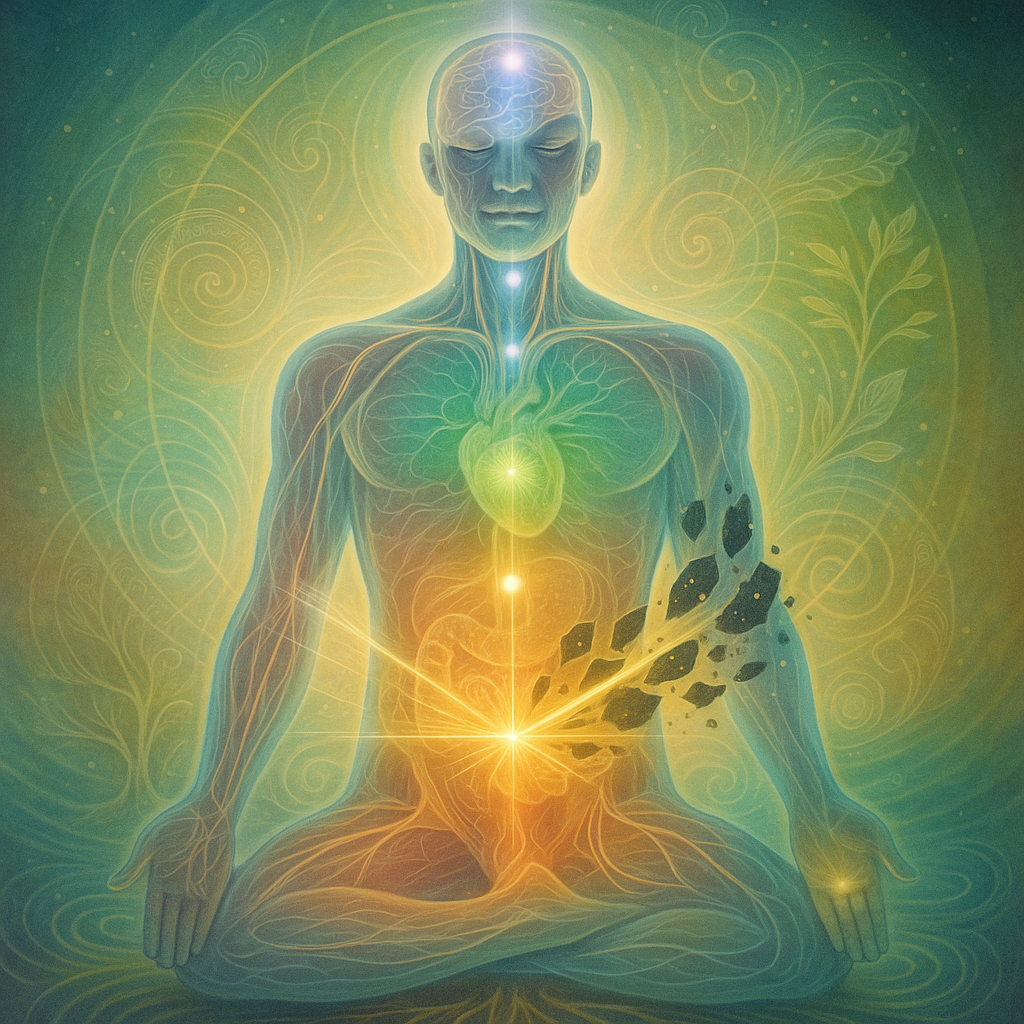
The Mind-Body Connection in Trauma Healing recognizes that trauma is not only a psychological experience but also a physiological and energetic one. Traumatic events can overwhelm the nervous system, leaving imprints in the body’s tissues, posture, and energy field, as well as in thought patterns and emotions. Healing trauma therefore requires approaches that address both mind and body together. By integrating awareness, somatic practices, and emotional processing, the mind-body connection becomes a pathway to resilience, regulation, and wholeness.
Understanding Trauma Through the Mind-Body Lens
How Trauma Affects the Mind
- Creates intrusive thoughts, flashbacks, and hypervigilance
- Reinforces negative beliefs about self, safety, or control
- Triggers cycles of fear, shame, or guilt
How Trauma Affects the Body
- Unresolved stress becomes “stored” in muscles, fascia, and the nervous system
- Can manifest as chronic pain, tension, fatigue, or illness
- Disrupts the natural balance of the autonomic nervous system (fight, flight, freeze)
The Role of the Mind-Body Connection
Healing occurs when the mind acknowledges and integrates the trauma while the body safely releases stored survival energy. Together, they restore harmony and foster a renewed sense of safety.
Approaches That Engage the Mind-Body Connection
Somatic Practices
- Somatic Experiencing (SE): Tracks physical sensations to discharge stored survival energy.
- Body-Based Trauma Release (TRE): Uses tremors to release tension held in the body.
- Trauma-Informed Yoga: Combines gentle movement and breath to reconnect with the body safely.
Breath and Awareness
- Breathwork: Regulates the nervous system and allows suppressed emotions to surface.
- Mindfulness Meditation: Enhances present-moment awareness, reducing reactivity to triggers.
- Guided Visualization: Uses imagery to reframe traumatic imprints and create safety.
Energy Healing
- Reiki and Chakra Balancing: Clear trauma imprints from the energy field.
- Sound and Frequency Healing: Restore harmony through vibration.
- Grounding Practices: Reconnect body and mind to present safety.
Integrative Therapies
- Journaling and Expressive Arts: Externalize emotions and reframe experiences.
- EFT (Tapping): Combines acupressure with affirmations to regulate emotional and physical responses.
- Inner Child Healing: Addresses early imprints and nurtures self-compassion.
Benefits of Addressing Trauma Through the Mind-Body Connection
Physical Benefits
- Relieves chronic pain and tension
- Supports sleep, digestion, and immune function
- Restores nervous system regulation
Emotional and Mental Benefits
- Reduces anxiety, depression, and intrusive memories
- Releases suppressed emotions safely
- Builds resilience and self-awareness
Spiritual and Energetic Benefits
- Clears stagnant energy and restores flow
- Reconnects individuals with inner peace and authenticity
- Encourages transformation and growth beyond trauma
Practical Steps for Cultivating the Mind-Body Connection
Daily Awareness
- Practice mindful breathing or body scans to notice sensations and emotions.
Gentle Movement
- Incorporate yoga, tai chi, or stretching to release stored tension.
Grounding Rituals
- Use practices like walking barefoot on the earth, holding grounding crystals, or mindful eating.
Support Systems
- Work with trauma-informed practitioners who understand both psychological and somatic dimensions.
Safety and Considerations
- Trauma healing can surface intense emotions and sensations; proceed gradually.
- Professional support is recommended for complex or severe trauma.
- Practices should be trauma-informed, emphasizing safety, choice, and empowerment.
- Holistic approaches are complementary and should not replace medical or psychological treatment when needed.
Conclusion
The Mind-Body Connection in Trauma Healing offers a powerful framework for recovery, recognizing that trauma lives both in thought and in the body’s physiology. By integrating somatic practices, breathwork, energy healing, and mindful awareness, individuals can release stored trauma, regulate their nervous systems, and restore a sense of wholeness. This holistic approach transforms trauma from a source of fragmentation into an opportunity for resilience, growth, and deeper alignment with one’s authentic self.