
Overview
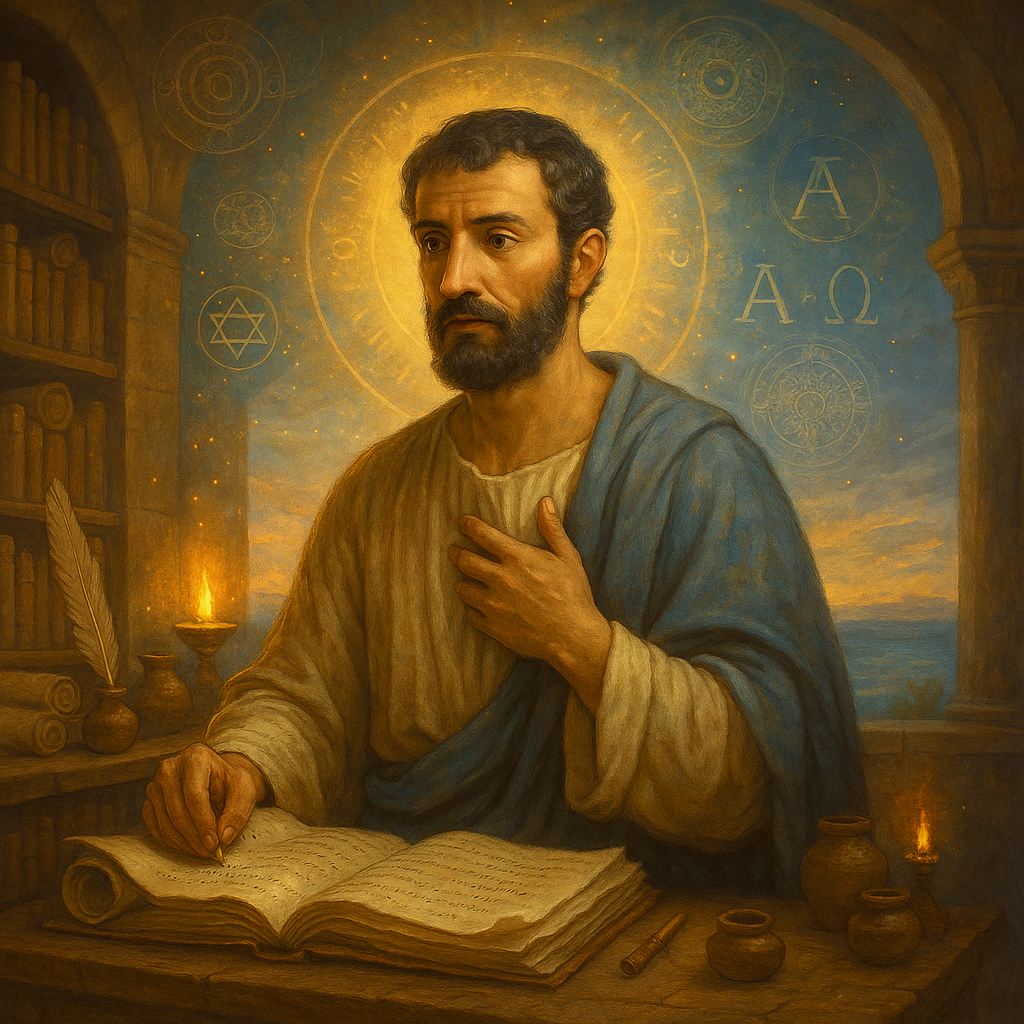
Origen of Alexandria (c. 185–253 CE) was an influential Christian scholar, philosopher, and theologian whose writings shaped early Christian doctrine, biblical interpretation, and spiritual thought. Known for intellectual rigor, mystical insight, and profound devotion, he sought to harmonize faith, reason, and spiritual experience. His works helped establish Christianity as a philosophical tradition while inspiring centuries of theological reflection.
Historical Background
Early Life and Education
- Born in Alexandria, Egypt, a major center of learning
- Raised in a devout Christian family during Roman persecution
- Exceptionally educated in Greek philosophy, rhetoric, and scripture
- Demonstrated early dedication to spiritual discipline and study
Teacher, Scholar, and Ascetic
- Became head of the Catechetical School of Alexandria in early adulthood
- Taught theology, biblical exegesis, and spiritual practice
- Embraced rigorous asceticism, simplicity, and devotion to prayer
- Ordained later in life, eventually settling in Caesarea
Writings and Intellectual Contributions
Scriptural Interpretation
- Developed the “threefold sense” of scripture:
- Literal: historical meaning
- Moral: ethical instruction
- Spiritual/Allegorical: deeper divine mysteries
- Advocated interpretation guided by love, humility, and spiritual growth
Major Works
- On First Principles — first systematic theology in Christian history
- Contra Celsum — philosophical defense of Christianity
- Extensive biblical commentaries, homilies, and scholarly notes
- Hexapla — monumental comparison of Hebrew and Greek biblical texts
Core Teachings and Theology
Divine Love and Spiritual Ascent
- Humanity is called to return to God through love and transformation
- Spiritual life unfolds through purification, illumination, and union
Freedom of the Soul
- Affirmed human free will as essential for moral and spiritual growth
- Saw salvation as cooperative partnership between God and humanity
Universal Restoration (Apokatastasis)
- Proposed that all souls may ultimately be reconciled to God
- Emphasized God’s infinite mercy and healing power
- Later debated and partially rejected by church authorities
The Logos and Creation
- Christ, the Logos, is the mediator between God and creation
- Divine wisdom permeates the cosmos, guiding spiritual evolution
Controversy and Church Response
Theological Debates
- Some teachings—such as pre-existence of souls and universal salvation—sparked controversy
- Misinterpretations and later adaptations fueled doctrinal conflict
Posthumous Condemnation
- Centuries after his death, certain ideas were officially condemned
- Despite this, much of his work remained foundational to Christian thought
Influence and Legacy
Impact on Christian Tradition
- Inspired early church fathers, monastic movements, and medieval theologians
- Helped develop Christian mysticism, biblical scholarship, and spiritual philosophy
- Revered in Eastern Christianity and studied widely in the West
Modern Relevance
- Respected for interfaith openness, psychological insight, and symbolic interpretation
- Influences contemporary theology, spirituality, and biblical studies
Metaphysical and Esoteric Perspectives
Mystical Understanding of Scripture
- The Bible contains layered truths accessible through contemplation
- Spiritual insight arises from inner purification and divine grace
Cosmic Spiritual Journey
- Souls progress through learning, compassion, and awakening
- Salvation viewed as a universal movement toward divine oneness
Key Symbols and Associations
Spiritual Symbolism
- The Ladder or Ascent: spiritual progression toward God
- The Logos: divine reason, wisdom, and eternal truth
- Open Scripture Scroll: ongoing revelation and interpretation
- Flame or Light: illumination, purification, and divine presence
Origen remains a profound voice in early Christianity—uniting scholarship, faith, and mystical insight. His legacy invites seekers to pursue spiritual depth, intellectual honesty, and a compassionate understanding of humanity’s relationship with the Divine.