
Overview
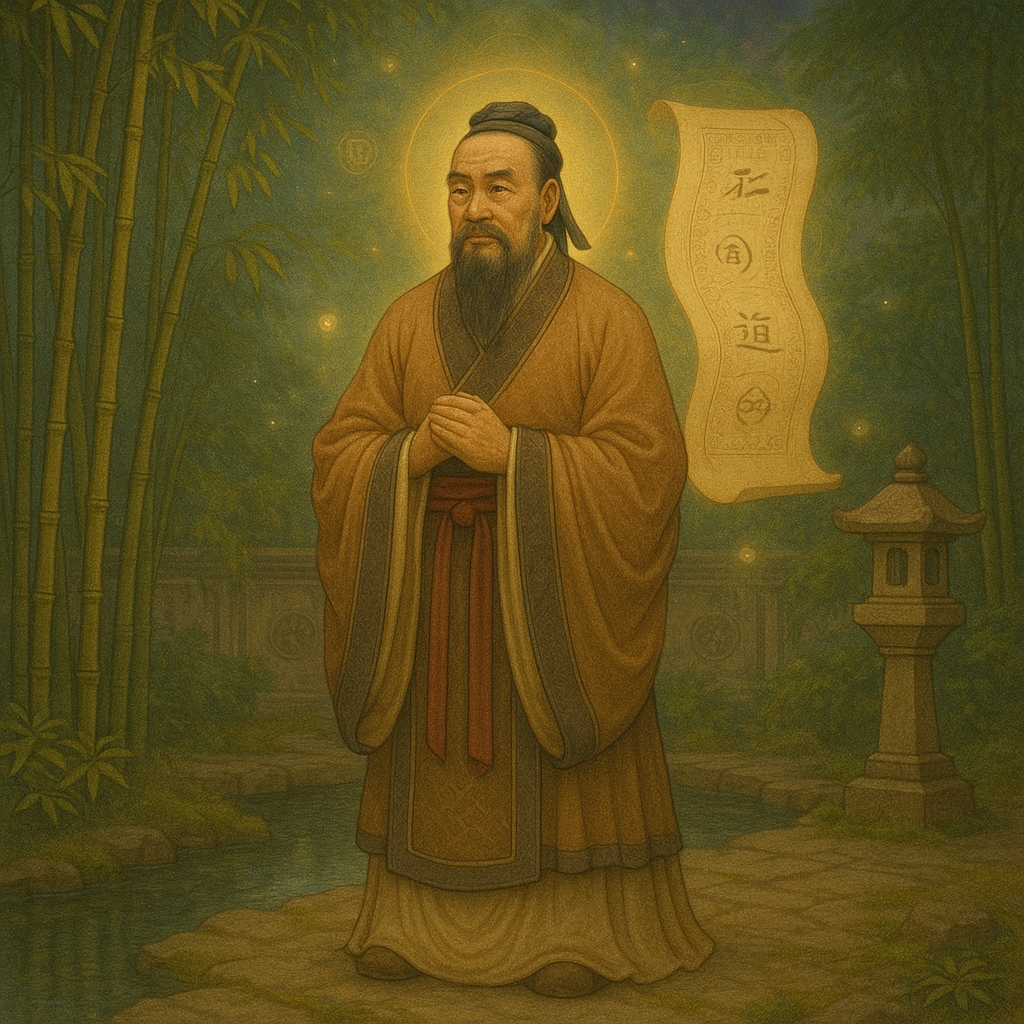
Confucius (551–479 BCE), known in Chinese as Kong Fuzi or Kongzi, was a philosopher, teacher, and political thinker whose moral and social teachings shaped Chinese civilization and influenced cultures across East Asia. He emphasized ethical behavior, personal cultivation, harmonious relationships, and responsible leadership. His philosophy—later called Confucianism—remains a guiding framework for ethics, governance, and social harmony.
Historical Background
Early Life and Ancestry
- Born in the State of Lu (modern-day Shandong, China)
- Came from a once-aristocratic family with declining status
- Raised in modest conditions, developing empathy for common people
Education and Intellectual Development
- Self-taught scholar deeply devoted to learning
- Studied history, ritual, music, poetry, and governance
- Believed education should be accessible to all, not only nobility
Public Career and Leadership
Political Service
- Held administrative and advisory roles in Lu’s government
- Advocated for ethical governance and moral leadership
- Sought to restore social order through virtue rather than force
Exile and Teaching Years
- Left Lu due to political corruption
- Traveled among neighboring states offering philosophical counsel
- Gathered devoted students who carried his teachings forward
Core Teachings and Philosophy
Humaneness (Ren)
- Central virtue meaning compassion, benevolence, and empathy
- Ethical action should arise from sincere concern for others
- True humanity is cultivated through kindness and respect
Righteousness (Yi) and Moral Integrity
- Act according to what is honorable, not convenient
- Uphold justice even at personal cost
- Inner virtue is superior to external achievement
Propriety (Li)
- Harmonious behavior expressed through ritual, manners, and social roles
- Rituals cultivate mindfulness, gratitude, and community connection
- Respect strengthens family and societal bonds
The Importance of Education
- Lifelong learning as the foundation of wisdom
- Knowledge must lead to ethical action
- Reflection and self-examination are essential to growth
Social Harmony and Relationships
The Five Key Relationships
Confucius taught that societal stability depends on balanced, respectful relationships:
- Ruler and subject
- Parent and child
- Husband and wife
- Elder sibling and younger sibling
- Friend and friend
Each relationship carries mutual responsibilities rooted in care and integrity.
Filial Piety (Xiao)
- Deep respect, gratitude, and duty toward one’s parents and ancestors
- Family as the moral center of society
- Honoring the past to guide the present
The Ideal Leader
The Junzi – The Noble Person
- A model of virtue, humility, wisdom, and self-discipline
- Leads through moral example, not coercion
- Seeks the well-being of all people
Governance Through Virtue
- Ethical leadership creates social harmony
- Laws alone cannot cultivate morality
- Rulers must embody integrity to inspire trust
Texts and Preservation
The Analects
- Collection of Confucius’ sayings and dialogues recorded by disciples
- Primary source of Confucian philosophy and ethical guidance
Additional Classical Works
- The Five Classics and Four Books
- Commentaries and scholarly interpretations over millennia
Influence and Cultural Legacy
Historical Impact
- Became the philosophical foundation of Chinese government, education, and society
- Inspired systems of civil service exams
- Shaped cultural values in Korea, Japan, Vietnam, and beyond
Modern Relevance
- Applied in leadership, diplomacy, psychology, and community development
- Influences modern ethics, human relations, and educational models
- Offers guidance for navigating conflict, responsibility, and social change
Metaphysical and Spiritual Perspectives
Confucian View of Heaven (Tian)
- Moral cosmic order guiding human conduct
- Virtuous living aligns one with divine harmony
- Ethics as both spiritual and societal practice
Esoteric Interpretations
- Seen as a sage embodying moral enlightenment
- Represents conscious evolution through ethical refinement
Key Symbols and Associations
Spiritual Symbolism
- Calligraphy brush: scholarship, culture, refinement
- Scrolls or bamboo texts: wisdom and preserved teachings
- Harmony motif or yin-yang balance: social and moral equilibrium
- Ancestral altar: continuity, family reverence, tradition
Confucius endures as a timeless teacher of compassion, responsibility, and ethical awareness—reminding humanity that true wisdom begins within and radiates outward into family, community, and the world.