
Overview
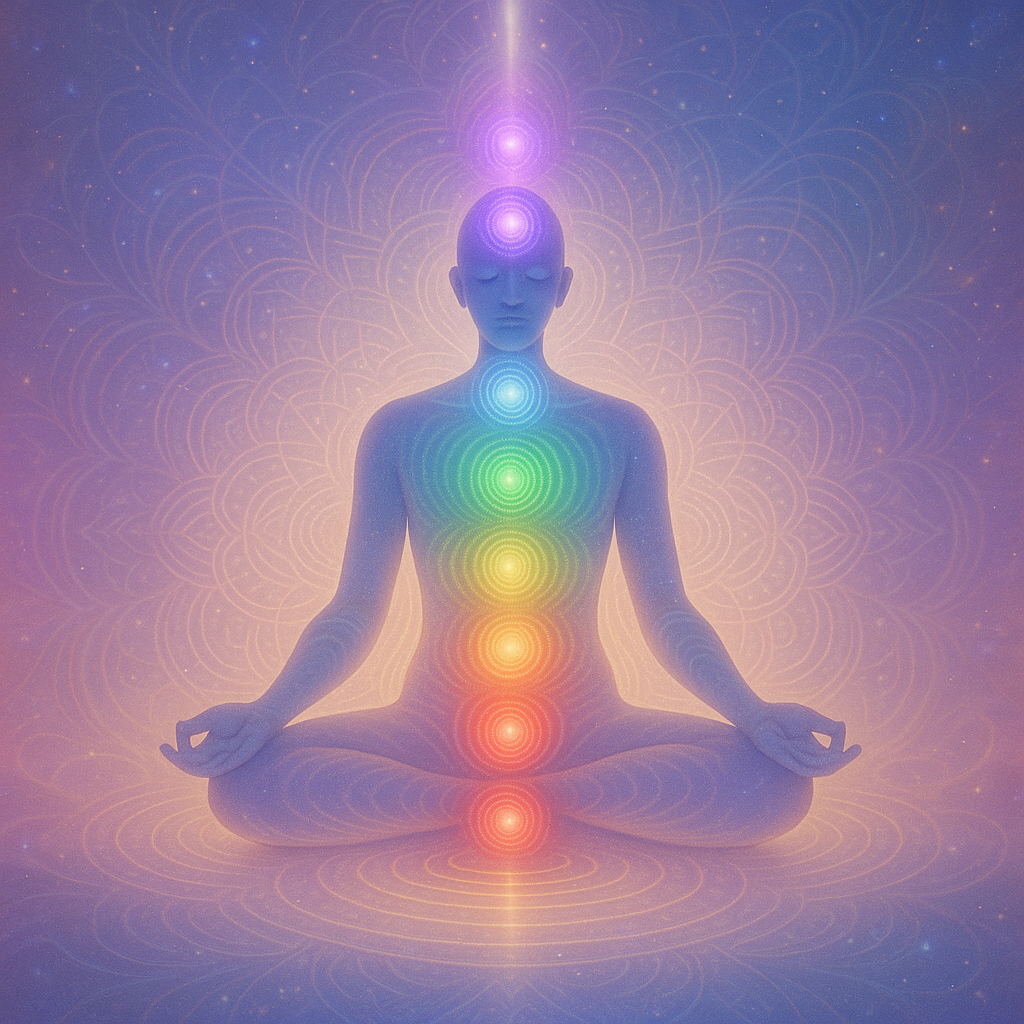
Chakra Activation Meditation is a focused energetic practice designed to awaken, harmonize, and strengthen the seven primary energy centers of the body. Rooted in ancient Indian yogic traditions, this meditation activates the subtle body, allowing life force energy (prana) to flow freely through the chakra system. By bringing mindful attention, breath, visualization, and intention to each chakra, practitioners experience increased vitality, emotional balance, spiritual clarity, and heightened awareness of their energetic nature.
Purpose of Chakra Activation Meditation
Awakening the Energy Centers
- Stimulates dormant or low-energy chakras
- Enhances the natural flow of prana
- Brings vitality and aliveness to the subtle body
Balancing the Emotional and Energetic System
- Helps release emotional blockages
- Encourages stability, peace, and alignment
- Creates harmony between mind, body, and spirit
Supporting Spiritual Growth and Intuition
- Expands inner awareness
- Strengthens the connection to higher consciousness
- Opens channels for insight and intuitive perception
Foundations and Origins
Yogic and Tantric Traditions
- Originates from ancient Indian spiritual systems
- Chakras correspond to energy centers along the spine
- Associated with nadis (energy channels) and kundalini energy
Integration in Modern Spiritual Practice
New Age and Holistic Approaches
- Combines visualization, sound healing, and breathwork
- Used widely for chakra healing and energetic alignment
Meditation and Mindfulness Movements
- Adapted into guided meditations and wellness practices
- Focuses on inner balance and emotional well-being
The Seven Primary Chakras
1. Root Chakra (Muladhara)
- Location: Base of spine
- Color: Red
- Themes: Safety, grounding, physical stability
2. Sacral Chakra (Svadhisthana)
- Location: Lower abdomen
- Color: Orange
- Themes: Creativity, sexuality, pleasure, emotional flow
3. Solar Plexus Chakra (Manipura)
- Location: Upper abdomen
- Color: Yellow
- Themes: Personal power, confidence, willpower
4. Heart Chakra (Anahata)
- Location: Center of chest
- Color: Green or pink
- Themes: Love, compassion, forgiveness
5. Throat Chakra (Vishuddha)
- Location: Throat
- Color: Blue
- Themes: Communication, truth, self-expression
6. Third Eye Chakra (Ajna)
- Location: Between brows
- Color: Indigo
- Themes: Intuition, vision, perception
7. Crown Chakra (Sahasrara)
- Location: Top of head
- Color: Violet or white
- Themes: Higher consciousness, unity, divine connection
Core Principles of Chakra Activation Meditation
Conscious Awareness
- Directing focused attention to each chakra
- Observing sensations, emotions, and energetic shifts
Breath as an Activator
- Using rhythmic or deep breathing to open and energize the chakras
- Breath serves as a bridge between physical and energetic bodies
Visualization and Color Frequency
- Imagining each chakra glowing with its corresponding color
- Visual imagery stimulates energy flow and vibrational resonance
Sound and Mantra Vibration
- Using seed syllables (bija mantras) such as LAM, VAM, RAM
- Sound vibrations activate and cleanse the chakras
Emotional Release and Alignment
- Allowing emotions to surface and move through
- Clearing energetic blocks and fostering inner harmony
How to Practice Chakra Activation Meditation
Step 1: Find a Comfortable Posture
Options
- Seated cross-legged
- Upright in a chair
- Lying down with straight spine
Ensure relaxation and ease in the body.
Step 2: Ground and Center
- Begin with deep breathing
- Feel the connection to the Earth
- Calm the mind and settle into presence
Step 3: Start With the Root Chakra
- Focus on the base of the spine
- Visualize a red sphere glowing brightly
- Breathe into the area and affirm grounding
Step 4: Move Sequentially Up the Chakras
For each chakra:
- Bring awareness to its location
- Visualize its color
- Sense vibration, heat, tingling, or emotional shifts
- Use breath or mantra to activate the center
Optional additions:
- Hand mudras
- Crystal placement
- Sound healing bowls
Step 5: Activate Each Chakra Individually
Practices may include:
- Breathwork (pranayama)
- Bija mantras
- Visualization of light
- Emotional release techniques
Allow each chakra to awaken, harmonize, and brighten.
Step 6: Unite All Chakras
- Visualize a central column of light running from root to crown
- See all chakras spinning harmoniously
- Feel energy flowing freely throughout the body
Step 7: Close the Practice
- Take a moment to sit in stillness
- Notice sensations, clarity, or emotional shifts
- Offer gratitude for the experience
Benefits of Chakra Activation Meditation
Physical and Energetic Benefits
- Increased vitality and energetic circulation
- Improved grounding and stability
- Greater body awareness and balance
Emotional and Psychological Benefits
- Reduced anxiety, fear, and emotional stagnation
- Strengthened emotional resilience
- Enhanced inner peace and compassion
Spiritual Benefits
- Expanded intuition
- Stronger connection to higher self
- Experiences of unity, bliss, or spiritual insight
Advanced Practices and Variations
Kundalini-Inspired Activation
- Uses breath of fire, bandhas, and dynamic techniques
- Awakens latent energy at the base of the spine
Chakra Sound Healing
- Incorporates tuning forks, singing bowls, or vocal toning
- Sound frequency stimulates chakra resonance
Crystal-Assisted Chakra Activation
- Places crystals on each chakra point
- Enhances energy flow and alignment
Guided Chakra Journeys
- Uses visualization to travel through chakra landscapes
- Engages symbolic and archetypal imagery
Enhancing Chakra Activation Practice
Use Affirmations
- “I am safe.” (Root)
- “I honor my emotions.” (Sacral)
- “I am confident and powerful.” (Solar Plexus)
Keep a Meditation Journal
- Track sensations, emotions, insights
- Helps identify which chakras need support
Integrate Into Daily Life
- Use mini-activations throughout the day
- Focus awareness on the heart, breath, or intuition
Create a Dedicated Sacred Space
- Use candles, incense, crystals, or spiritual symbols
- Supports ritual and deepened focus
Limitations and Considerations
Emotional or Energetic Sensitivity
- Chakra activation can release intense emotions
- Pace yourself and take breaks when needed
Not a Replacement for Medical or Psychological Care
- Supports healing but should complement professional treatment
Requires Patience and Consistency
- Energy work develops over time
- Forcing activation may cause imbalance
Grounding Is Essential
- Especially when working with higher chakras
- Prevents dissociation or energetic overload
Key Symbols and Associations
Symbolic Elements
- Lotus Flowers: purity and expansion of each chakra
- Colors: vibrational signatures of energy centers
- Spinning Wheels: dynamic nature of chakras
- Light Column: alignment of the energetic system
- Serpent (Kundalini): awakening of spiritual energy
Chakra Activation Meditation is a powerful pathway to energetic balance, emotional harmony, and spiritual awakening. Through breath, visualization, sound, and mindful presence, practitioners open the flow of life force energy—awakening the chakras and activating their highest potential.