
Overview
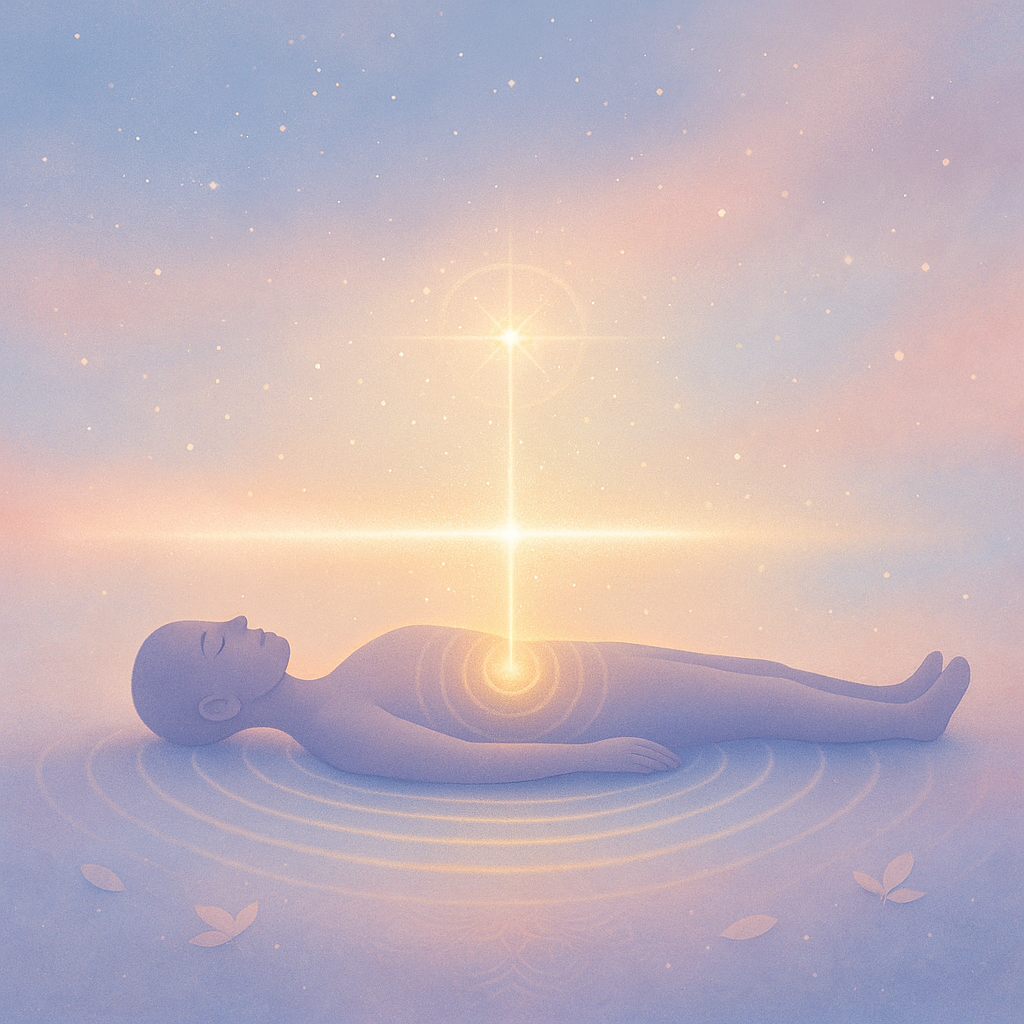
Body Scan Meditation is a foundational mindfulness practice that involves directing gentle, focused awareness through different parts of the body, observing sensations without judgment. It is often used in mindfulness-based stress reduction (MBSR), Buddhist meditation traditions, and somatic healing practices. The body scan cultivates deep relaxation, strengthens mind–body connection, and helps individuals recognize tension, emotion, or energetic blockages held within the physical body. Through consistent practice, it supports grounding, healing, and increased presence.
Purpose of Body Scan Meditation
Deepening Mind–Body Awareness
- Encourages presence within physical sensations
- Reveals subtle tension, numbness, or energetic shifts
- Strengthens embodied mindfulness
Releasing Stress and Stored Emotions
- Helps identify and soften areas of chronic tension
- Supports emotional release stored in the body
- Promotes a state of calmness and nervous system regulation
Cultivating Non-Judgmental Observation
- Teaches acceptance of discomfort and pleasure alike
- Reduces reactivity by observing sensations without resisting
- Builds equanimity and inner balance
Foundations and Origins
Roots in Buddhist Vipassana Practice
- Similar to traditional practices of observing bodily sensations
- Helps develop insight into impermanence and mind–body interconnection
Integration into Modern Mindfulness Practices
MBSR (Mindfulness-Based Stress Reduction)
- Popularized by Jon Kabat-Zinn
- Used for stress reduction, chronic pain, and emotional wellness
Somatic and Healing Modalities
- Common in trauma-informed therapy
- Assists individuals in reconnecting with the body safely
Core Principles of Body Scan Meditation
Awareness Without Reactivity
- Noticing sensations without trying to change them
- Builds tolerance and internal stability
Slow, Systematic Exploration
- Attention moves gradually through each region of the body
- Encourages detailed awareness and grounding
Acceptance of All Sensations
- Warmth, tingling, pressure, tightness, heaviness, or numbness
- Neutral observation promotes emotional and energetic release
Embodiment and Presence
- Anchors attention in the present
- Strengthens connection to the physical and energetic self
How to Practice Body Scan Meditation
Step 1: Find a Comfortable Position
Options
- Lying down on your back (common)
- Seated comfortably with spine supported
- Body relaxed and still
Step 2: Center Yourself
- Take a few slow, mindful breaths
- Allow the body to settle into the present moment
Step 3: Begin at a Focal Point
Common starting points:
- Feet and toes
- Top of the head
- Hands or breath
Choose the point that feels most intuitive or grounding.
Step 4: Move Through the Body Slowly
Typical order:
- Feet → legs → hips → abdomen → chest → hands → arms → shoulders → neck → face → head
or - Head → face → neck → shoulders → arms → hands → chest → abdomen → hips → legs → feet
Method
- Observe sensations: warmth, tension, vibration, neutral feeling
- Pause where sensations are strong
- Breathe into each area to deepen presence
Step 5: Allow Sensations to Be
- No need to force relaxation
- Simply observe with curiosity and openness
- If discomfort arises, acknowledge it gently
Step 6: Integrate Full-Body Awareness
- After scanning each part, sense the entire body as one whole
- Feel the body resting, breathing, and existing in stillness
Step 7: Close With Mindful Reflection
- Observe the state of the mind and body
- Notice relaxation, lightness, or emotional shifts
- Gradually return attention to the environment
Advanced Techniques and Variations
Breath-Focused Body Scan
- Use each breath to soften tension in specific areas
- Links breath awareness with somatic presence
Energetic Body Scan
- Observe the flow of energy or “prana/chi” through the body
- Notice blocks, warmth, or aliveness beyond physical sensations
Emotional Body Scan
- Identify where emotions reside in the body
- Useful for trauma-informed or therapeutic practices
Progressive Relaxation Body Scan
- Intentionally relax each part after observing it
- Supports deeper physical calm and restful sleep
Paired With Visualization
- Imagine light, warmth, or healing energy flowing into each body part
- Amplifies healing and relaxation effects
Applications of Body Scan Meditation
Stress Reduction and Relaxation
- Lowers tension and calms the nervous system
- Reduces anxiety and overthinking
- Promotes deep rest and recovery
Emotional Healing
- Helps identify suppressed or unprocessed emotions
- Creates a safe space for emotional release
- Supports trauma recovery when practiced gradually
Pain Management
- Encourages non-reactive awareness of chronic pain
- Reduces psychological resistance that intensifies discomfort
- Used widely in integrative medicine
Sleep Support
- Helps quiet the mind and relax the body before bed
- Common tool for overcoming insomnia
Mindfulness and Spiritual Growth
- Strengthens presence, grounding, and clarity
- Reveals subtle sensations linked to energy flow
- Deepens connection to body, breath, and inner awareness
Benefits of Body Scan Meditation
Physical Benefits
- Reduces muscle tension
- Improves body awareness and posture
- Supports nervous system regulation
Psychological Benefits
- Enhances emotional intelligence
- Decreases stress hormones
- Increases focus, clarity, and calmness
Spiritual and Energetic Benefits
- Reveals mind-body unity
- Heightens awareness of subtle energy sensations
- Encourages grounding and embodied presence
Enhancing the Practice
Practice Consistently
- Short daily sessions build powerful long-term results
- Extended scans (20–45 minutes) deepen impact
Use Guided Recordings
- Helpful for beginners
- Provides structure and steady pacing
Combine With Journaling
- Record sensations, emotions, or insights
- Helps track healing progress and patterns
Create a Calm Environment
- Dim lighting, soft mats, or supportive pillows
- Use grounding elements like crystals, essential oils, or gentle music
Limitations and Considerations
Emotional Release May Occur
- Old emotions may surface during scanning
- Slow down or pause if overwhelmed
Not Ideal During Intense Pain Without Support
- Chronic pain can make certain areas difficult to observe
- Modify practice or work with a trained instructor
Not a Medical Treatment by Itself
- Supports healing but should complement professional healthcare
Requires Patience
- Mind wandering is natural
- Gently returning attention builds skill over time
Key Symbols and Associations
Symbolic Elements
- Body: vessel of awareness, wisdom, and experience
- Breath: anchor of presence and continuity
- Light: healing, clarity, and gentle attention
- Earth Element: grounding and stability
- Wave: flow of sensations and impermanence
Body Scan Meditation is a transformative practice that invites you to reconnect with your body in a gentle, mindful, and deeply healing way. By observing sensations with openness and compassion, you cultivate inner calm, emotional resilience, and embodied awareness—supporting holistic wellness and the awakening of deeper presence.